 Sitwell
Hemorrhoids during pregnancy and after birth
Key points
- Hemorrhoids are common in pregnancy, especially in the last three months, and just after giving birth.
- Pressure from the growing womb, hormones that slow the gut, constipation and pushing in labour all play a part.
- Soft stools, no straining, cold compresses and gentle cleaning are the safe first steps in pregnancy and after birth.
- Check with your midwife, doctor or pharmacist before using any cream, laxative or painkiller, including while breastfeeding.
- After birth they usually settle within a few days or weeks. Heavy bleeding, clots or feeling faint need help the same day.
Hemorrhoids during pregnancy are common, especially in the last three months, and they often appear or get worse just after giving birth. They usually settle with simple self-care: soft stools, no straining, cold compresses and gentle cleaning. Before you use any cream, laxative or painkiller, check with your midwife, doctor or pharmacist.
Hemorrhoids (also spelled haemorrhoids, and often called piles) are swellings containing enlarged blood vessels inside or around your bottom (NHS). Anyone can get them, but pregnancy and birth make them much more likely. This guide explains why, what is safe to try at each stage, and when to get help.
How common are hemorrhoids in pregnancy?
Very common. In one study that followed 280 pregnant women in Lithuania until a month after birth, about 4 in 10 developed hemorrhoids. Most cases started in the third trimester (the last three months) or soon after the birth, and very few in early pregnancy (Poskus 2014). A 2024 survey at a Dublin maternity hospital found that close to half of pregnant women past 34 weeks had symptoms of hemorrhoids or an anal fissure, a small tear in the skin of the anus (Boughton 2024).
The same survey found that most people diagnosed and treated themselves without talking to a midwife or doctor. That is understandable, since it can feel awkward to bring up. But your maternity team hears about this all the time, and they can tell you which treatments are suitable for you.
Symptoms to look out for
Symptoms can include (NHS):
- itching, aching, soreness or swelling around your anus
- pain when you poo, and sometimes mucus afterwards
- a lump hanging outside the anus
- bright red blood after a poo, on the paper or in the bowl
Some hemorrhoids sit inside and some sit at the edge of the opening. Our guide to internal vs external hemorrhoids explains the difference.
Why pregnancy causes hemorrhoids
Several things add up.
Pressure from your growing womb
As your womb (uterus) grows, it presses on the veins in your pelvis. Your blood volume also goes up in pregnancy. Together these raise the pressure in the blood vessels around your bottom, so they swell more easily (Schmuck 2026).
Hormones that slow your gut
Pregnancy hormones slow down your digestive system, which can make you constipated, sometimes very early in pregnancy (NHS; ACOG).
Constipation in pregnancy
Constipation is one of the main causes of hemorrhoids in pregnancy (NHS). Hard stools mean more straining, and straining pushes blood into the swollen vessels. Being less active and taking iron tablets can add to it (Schmuck 2026). In the Lithuanian study, constipation was one of the strongest links with getting hemorrhoids, along with having had them before (Poskus 2014).
Pushing in labour
The intense straining of labour can make existing hemorrhoids worse, or bring them on for the first time (ACOG). The same study found that pushing for more than 20 minutes and having a baby over 3.8 kg were linked with a higher chance of hemorrhoids or fissures (Poskus 2014). These are not things you can control, so do not blame yourself if it happens.
What helps in pregnancy and after birth
The basics are the same before and after the birth: keep your stools soft, do not strain, and be gentle with the area. Some details change.
| What helps | In pregnancy | After birth |
|---|---|---|
| Soft stools | Eat high-fibre foods such as wholemeal bread, fruit, vegetables, beans and lentils. Drink plenty of water. | The same. You probably will not poo for a few days after the birth, so start early to avoid constipation. |
| No straining | Go when you feel the urge. Do not push hard or sit on the toilet longer than you need. | Try not to push or strain. If you have stitches, holding a clean pad of tissue over them can feel better. |
| Cold | Hold a cloth wrung out in iced water gently against the area. | A wrapped cold pack for short spells, or cold witch-hazel pads. |
| Warmth | A comfortably warm bath can ease itching and pain. | A warm sitz bath (sitting in a few inches of warm water) can ease swelling and pain. |
| Cleaning | Use moist toilet paper instead of dry, and pat rather than rub. | Rinse with warm water from a squeeze bottle, then pat dry. |
| Position | Avoid standing or sitting for long periods. Move regularly. | Sit on a pillow or cushion if sitting hurts. Take short walks as soon as you can. |
| Creams and medicines | Do not use any cream or medicine without checking with your doctor, midwife or pharmacist first. | Ask a midwife or pharmacist to recommend a cream. If breastfeeding, check painkillers before you buy. |
| Laxatives | Ask a pharmacist or your midwife if diet changes are not enough. | Talk to your midwife or GP if constipation will not go away. A gentle laxative or stool softener may help. |
Sources for the table: NHS pregnancy guidance, NHS body after the birth, NHS hemorrhoid guidance, NHS constipation, ACOG postpartum pain.
Self-care during pregnancy
Keep your stools soft
Fibre and fluid are the foundation. Good sources of fibre include wholemeal bread and cereals, fruit, vegetables, and pulses such as beans and lentils (NHS). Increase fibre gradually, add some oats, wheat bran or linseed if you like, and drink plenty of water. The NHS says these simple measures are safe to try when you are pregnant (NHS).
Regular exercise also helps keep your bowels moving (NHS). A daily walk counts.
Iron tablets and constipation
Iron supplements can make you constipated. If you think yours are, do not just stop taking them. Ask your doctor whether you can manage without them or switch to a different type (NHS).
Better toilet habits
- Go when you feel the urge. Do not hold it in.
- Do not strain. Straining can make hemorrhoids worse (NHS).
- Resting your feet on a low stool, with your knees above your hips, can make it easier to poo (NHS). Use whatever height your bump allows.
- Get up once you are done. Do not spend more time on the toilet than you need (NHS).
Ease the soreness
- Hold a cloth wrung out in iced water gently against the area (NHS).
- A comfortably warm bath can ease itching and pain (NHS). See our guide on how to take a sitz bath.
- Clean with moist toilet paper and pat, do not rub.
- Avoid standing or sitting for long stretches. When you rest, lying on your side keeps weight off your bottom. In later pregnancy, the NHS also advises not going to sleep on your back after 28 weeks, for your baby’s safety (NHS).
Are hemorrhoid creams safe in pregnancy?
There are medicines that soothe the inflammation around your anus. They treat the symptoms, not the cause. The NHS is clear: ask your doctor, midwife or pharmacist to suggest a suitable treatment, and do not use a cream or medicine without checking with them first (NHS).
The same goes for laxatives and painkillers. Not every product sold for hemorrhoids or constipation is suitable in pregnancy. Tell the pharmacist you are pregnant every time you buy something. Also note that some painkillers, such as codeine, can cause constipation (NHS).
Postpartum hemorrhoids: hemorrhoids after giving birth
Hemorrhoids are very common after birth (NHS). If you had them in pregnancy, they may get worse after the delivery. They can also appear for the first time because of the straining in labour (ACOG). They can happen after a caesarean too: in the Lithuanian study, about 1 in 5 of the women who developed hemorrhoids or fissures had a caesarean (Poskus 2014).
Your first poos after the birth
You probably will not poo for a few days after the birth, but it is important not to get constipated (NHS). Many people feel nervous about it because of hemorrhoids or a tear (ACOG). These steps help:
- Eat plenty of fruit, vegetables, salad, wholegrain cereals and wholemeal bread, and drink plenty of water.
- Take short walks as soon as you can.
- If you have stitches, it is very unlikely a poo will break them. Holding a clean pad of tissue over them may feel better (NHS).
- Try not to push or strain.
- Talk to your midwife or GP if constipation will not go away. A gentle laxative may help (NHS).
Soothing postpartum hemorrhoids
ACOG lists sitz baths, cold witch-hazel compresses, and medicated sprays or ointments as ways to reduce swelling and itching after the birth (ACOG). For soreness in the area between the vagina and anus, it suggests short spells with a wrapped ice pack, sitting on a pillow or cushion, and rinsing with warm water from a squeeze bottle. If you feel very uncomfortable, a midwife or pharmacist can recommend a cream (NHS).
How long do postpartum hemorrhoids last?
The NHS says hemorrhoids after birth usually disappear within a few days or weeks (NHS). In the Dublin survey, about 45% of people who had them after the birth said they settled within days, about a quarter within weeks, and the rest took months (Boughton 2024). That was one hospital and based on what people reported, so treat the numbers as a rough guide.
If yours are not improving, or keep coming back, raise it with your GP. Your postnatal check at around 6 to 8 weeks is a good moment to mention any physical problems since the birth (NHS). For timelines by type, see how long do hemorrhoids last.
Hemorrhoids while breastfeeding
Breastfeeding does not change the basics: fibre, fluids, no straining, cold compresses and warm baths are all fine to use. The difference is medicines. Not every cream or laxative is suitable while breastfeeding, and the NHS advises checking with a pharmacist, midwife or GP before buying over-the-counter painkillers (NHS). Tell the pharmacist you are breastfeeding each time you ask for something.
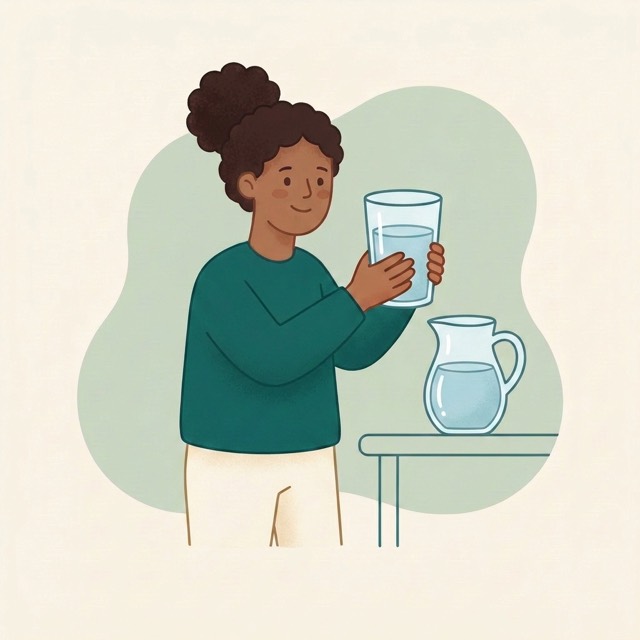
If sitting is sore, feeding while lying on your side can take pressure off the area (ACOG). Keeping a glass of water by you while you feed is an easy way to drink more.
If you want to see which habits make a difference, the Sitwell app lets you log symptoms day by day and reminds you to check any treatment with your midwife or pharmacist first.
When to see a doctor
Most hemorrhoids in pregnancy and after birth are a nuisance, not a danger. But some symptoms need checking, and a few need help straight away.
Get medical help today (call your maternity unit, go to an emergency department, or call your local emergency number) if you have:
- heavy bleeding that does not stop, or you are passing blood clots
- bleeding with feeling faint, dizzy or short of breath
- severe pain with a fever, or a lump that is quickly getting bigger, darker or harder
- any bleeding from your vagina while pregnant, or bleeding where you cannot tell if it is from your bottom or your vagina (NHS)
- after the birth, losing blood from your vagina in large clots (NHS)
Book a doctor visit in the next few days if you have:
- black or tar-like stools, or dark blood mixed into your stool
- weight loss without trying, or tiredness that feels unusual for you
- a change in bowel habit lasting more than 3 weeks
- bleeding that no doctor has examined, and you are over 45 or have bowel cancer in the family
- symptoms that are getting worse, or not improving after trying treatments at home (NHS)
A sudden, hard, very painful lump at the edge of the anus may be a thrombosed hemorrhoid, which means a blood clot has formed inside it. These tend to happen in the third trimester or shortly after birth (Schmuck 2026). Contact your midwife or doctor promptly, ideally within 3 days, because some treatments work best early. Our guide to bleeding hemorrhoids and when to see a doctor has more on what blood can mean.
Will they need treatment after pregnancy?
Usually not. Care in pregnancy focuses on easing symptoms and keeping your bowels regular, and surgery is kept for cases where nothing else works (Schmuck 2026). Many settle after the birth. If yours do not, hospital treatments are available when home care is not enough, such as banding, where a small band is placed around the hemorrhoid so that it drops off (NHS). Your GP can talk you through the options.
Frequently asked questions
Are hemorrhoids during pregnancy harmful to my baby?
The sources we use describe hemorrhoids in pregnancy as common and usually manageable with simple self-care. The main job is easing your symptoms and keeping your stools soft. If you notice bleeding and are not sure whether it is coming from your bottom or your vagina, contact your maternity unit, as vaginal bleeding in pregnancy always needs advice.
Are hemorrhoid creams safe in pregnancy?
Some medicines can soothe the area, but the NHS advises not to use any cream or medicine in pregnancy without checking with your doctor, midwife or pharmacist first. They can suggest a suitable product and tell you how long to use it. Creams ease the symptoms but do not treat the cause, so keeping your stools soft still matters most.
How long do postpartum hemorrhoids last?
The NHS says hemorrhoids after birth usually disappear within a few days or weeks. In a survey at one maternity hospital, about 45% of people said their symptoms settled within days, about a quarter within weeks, and the rest took months. If they are not improving, mention it to your GP or at your postnatal check.
Can I use hemorrhoid treatments while breastfeeding?
Not every cream, laxative or painkiller is suitable while breastfeeding. The NHS advises checking with a pharmacist, midwife or GP before buying over-the-counter painkillers if you are breastfeeding, and a midwife or pharmacist can recommend a suitable cream. Non-medicine steps such as cold compresses, warm baths, fibre and water are a good place to start.
Can you get hemorrhoids after a caesarean?
Yes. Pregnancy itself and constipation after the birth can cause them, not only pushing in labour. In one study of pregnant women who developed hemorrhoids or anal fissures, about 1 in 5 had given birth by caesarean.
Do hemorrhoids from pregnancy go away on their own?
Many do settle after the birth once the pressure is off and bowel habits return to normal. If you still have symptoms weeks later, or they keep coming back, see your GP. Hospital treatments are available if home care does not work.
Sources
- Piles in pregnancy. NHS
- Your body after the birth. NHS
- Common health problems in pregnancy. NHS
- Your post-pregnancy body. NHS
- Vaginal bleeding in pregnancy. NHS
- Piles (haemorrhoids). NHS
- Constipation. NHS
- Postpartum Pain Management. American College of Obstetricians and Gynecologists (ACOG)
- Problems of the Digestive System. American College of Obstetricians and Gynecologists (ACOG)
- Haemorrhoids and anal fissures during pregnancy and after childbirth: a prospective cohort study. Poskus and others. BJOG, 2014
- Haemorrhoids and Anal Fissures in Pregnancy: Predictive Factors and Effective Treatments. Boughton and others. Cureus, 2024
- Incidence, Diagnosis, and Management of Proctological Conditions during Pregnancy. Schmuck and Roblick. Visceral Medicine, 2026
This guide is general information, not medical advice. If you have heavy bleeding, severe pain, a fever or feel faint, get medical help now.